

Eco-Friendly Tours in Watamu
Watamu is more than a beautiful destination — it’s one of Kenya’s most committed conservation zones. From marine turtle rescue to ancient coastal forest protection, this is a place where eco-friendly travel isn’t a marketing label. It’s the entire ethos. Here are the best eco-friendly places to visit in Watamu.
Watamu’s relationship with its natural environment is not accidental. The town sits within a UNESCO Biosphere Reserve that encompasses the marine national park, Mida Creek, and the southern edge of the Arabuko Sokoke Forest — together forming one of the most ecologically significant stretches of coastline in the whole of East Africa. Eco-tourism in Watamu was not invented by a marketing department. It grew organically from a community that understood, early, that the natural world around them was the source of everything.
That understanding has produced something genuinely rare: a coastal destination where conservation infrastructure is woven into the visitor experience rather than bolted on as an afterthought. The turtle rescue programme at Local Ocean Conservation has been running for decades. The community-managed boardwalk at Mida Creek funds local guides. The entry fees to Arabuko Sokoke support anti-poaching patrols and forest ranger salaries. When you visit these eco-friendly places in Watamu, your presence and your money go directly into keeping them alive.
“In Watamu, the most extraordinary thing you can do for the environment is simply show up, pay the entry fee, and pay attention.”
For the sustainable traveller in Kenya, Watamu offers something that very few destinations can match: a coherent, connected ecosystem of conservation experiences that together tell the full story of the coast. In a single day, you can snorkel a protected coral reef in the morning, walk through ancient coastal forest at midday, watch sea turtles being rehabilitated in the afternoon, and paddle a mangrove creek at sunset. Each experience reinforces the others. Each supports a different piece of the conservation jigsaw. And the whole thing is accessible, affordable, and genuinely world-class.
Top Eco-Friendly Places in Watamu
 01
01
East Africa’s largest and most biodiverse coastal forest. Home to rare endemic species including the golden-rumped elephant shrew. Entry fees fund ranger patrols directly.
 02
02
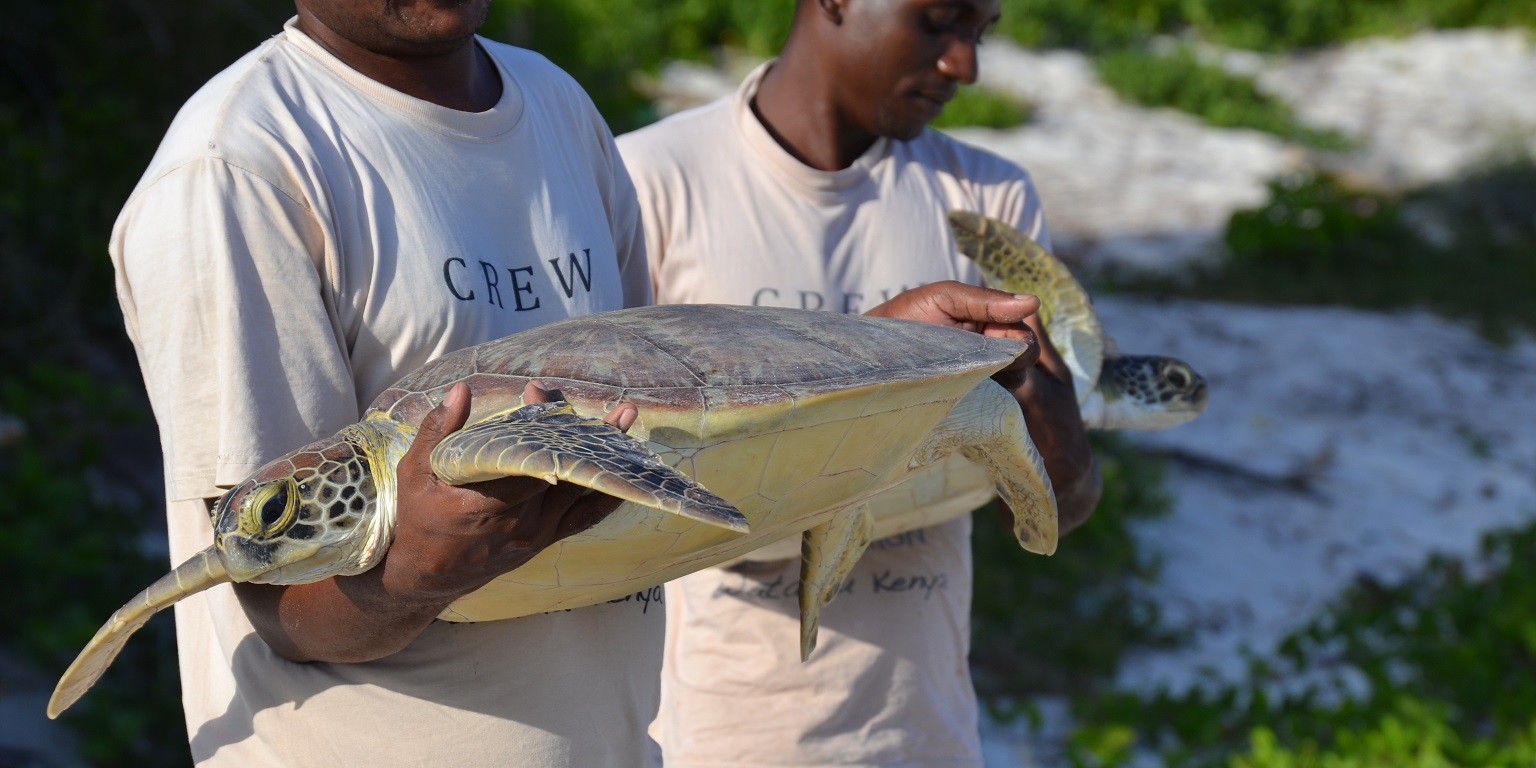
One of Kenya’s oldest sea turtle rescue programmes. Visit the facility, see turtles in rehabilitation, and learn how the team works with local fishing communities.
 03
03
A community-managed boardwalk through tidal mangrove forest, home to hundreds of bird species. Your fee goes directly to local guides and conservation upkeep.
 04
04
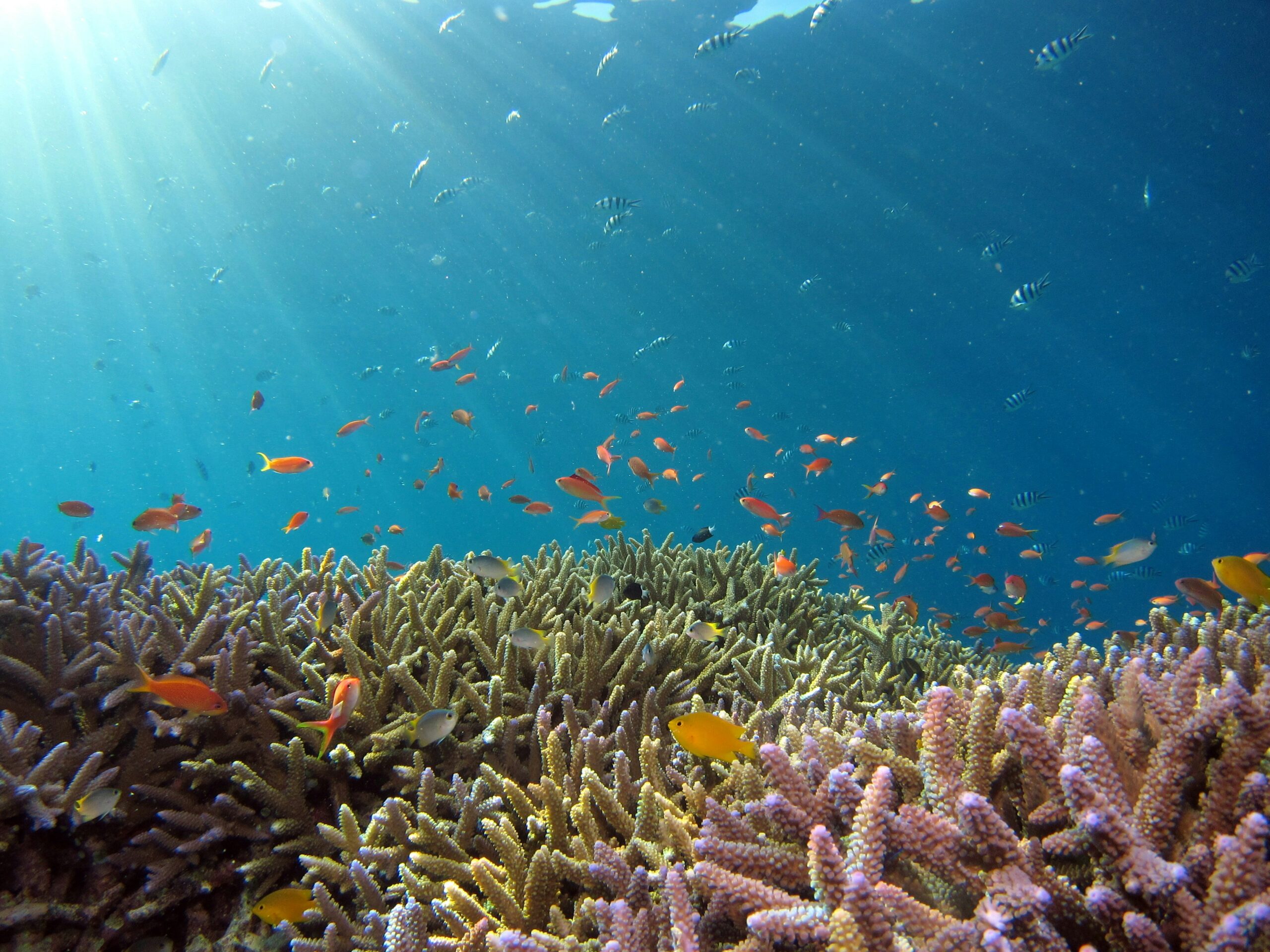
A fully protected marine reserve within the UNESCO Biosphere. Snorkelling here directly funds KWS reef monitoring and anti-poaching efforts in the marine park.
 05
05
Creekside eco-accommodation built with minimal footprint. Solar-powered, locally staffed, and positioned right on the edge of the mangrove ecosystem.
 06
06
Africa’s leading venomous snake rescue and research centre. Entry fees fund antivenin research and a community education programme that reduces human-wildlife conflict.
What makes sustainable travel in Watamu so compelling is how naturally the pieces fit together. You don’t have to seek out the eco-friendly option — in Watamu, it is almost always the default option. The most beautiful beach is the protected one. The most interesting walk is through the forest reserve. The most memorable overnight stay is at the creekside eco camp. Conservation and quality of experience are aligned here in a way that simply doesn’t happen everywhere.
If you want to go deeper, several of Watamu’s conservation organisations offer volunteer programmes. Local Ocean Conservation accepts volunteers to assist with turtle monitoring, beach patrols, and community outreach. The Arabuko Sokoke Forest runs guided research walks where visitors contribute to bird count data. These are not tourist add-ons — they are working conservation programmes that welcome the involvement of visitors who want to give something back. Eco-tourism in Kenya doesn’t get more meaningful than this.
Responsible travel tip: Always use reef-safe sunscreen in the marine park. Avoid single-use plastics — Watamu has active beach clean-up programmes and most eco-operators provide refillable bottles. Hire local guides; it’s the single most impactful thing you can do economically.