

Top 10 Budget-Friendly Places to Visit in Watamu
Watamu is a small beach town on the Kenya coast, 120 km north of Mombasa in Kilifi County, with a Marine National Park, a protected coastal forest, and one of East Africa’s most scenic tidal creeks at Mida. Many people assume it’s expensive — it isn’t. This guide covers the 10 best budget-friendly places to visit in Watamu in 2026, with honest cost information and practical advice for travellers who want the full experience without overspending.
There’s a version of Watamu that exists in glossy travel magazines — the infinity pools, the private chefs, the beachfront estates that cost more per night than most people earn in a month. That version is real. But it’s not the only version. There’s another Watamu, just as beautiful and far more accessible, where the Indian Ocean is still impossibly turquoise, the snorkelling is still world-class, and the sunsets over Mida Creek still stop you mid-sentence.
Budget travel in Watamu doesn’t mean compromise. It means knowing where to go, how to get there, and which experiences are genuinely free — or close to it. Watamu Marine National Park costs a fraction of what similar parks charge elsewhere in East Africa. The beaches have no entrance fees. The Arabuko-Sokoke Forest, Mida Creek, the mangroves — all within reach, all extraordinary, all accessible on a modest daily budget.
“You don’t need a luxury resort to experience an extraordinary coastline. Watamu’s best things are its most accessible.”
The ten spots below represent the best of what Watamu offers the budget-conscious traveller. Some are completely free. Some have a small entry fee that directly funds conservation. All of them are worth your time — and none will break your budget.
Top 10 Budget-Friendly Places in Watamu
 01
01
One of Kenya’s oldest marine protected areas, established in 1968. Share a group boat to cut costs significantly — the coral gardens, sea turtles, and reef fish are the same regardless of how many people are on the boat.
 02
02
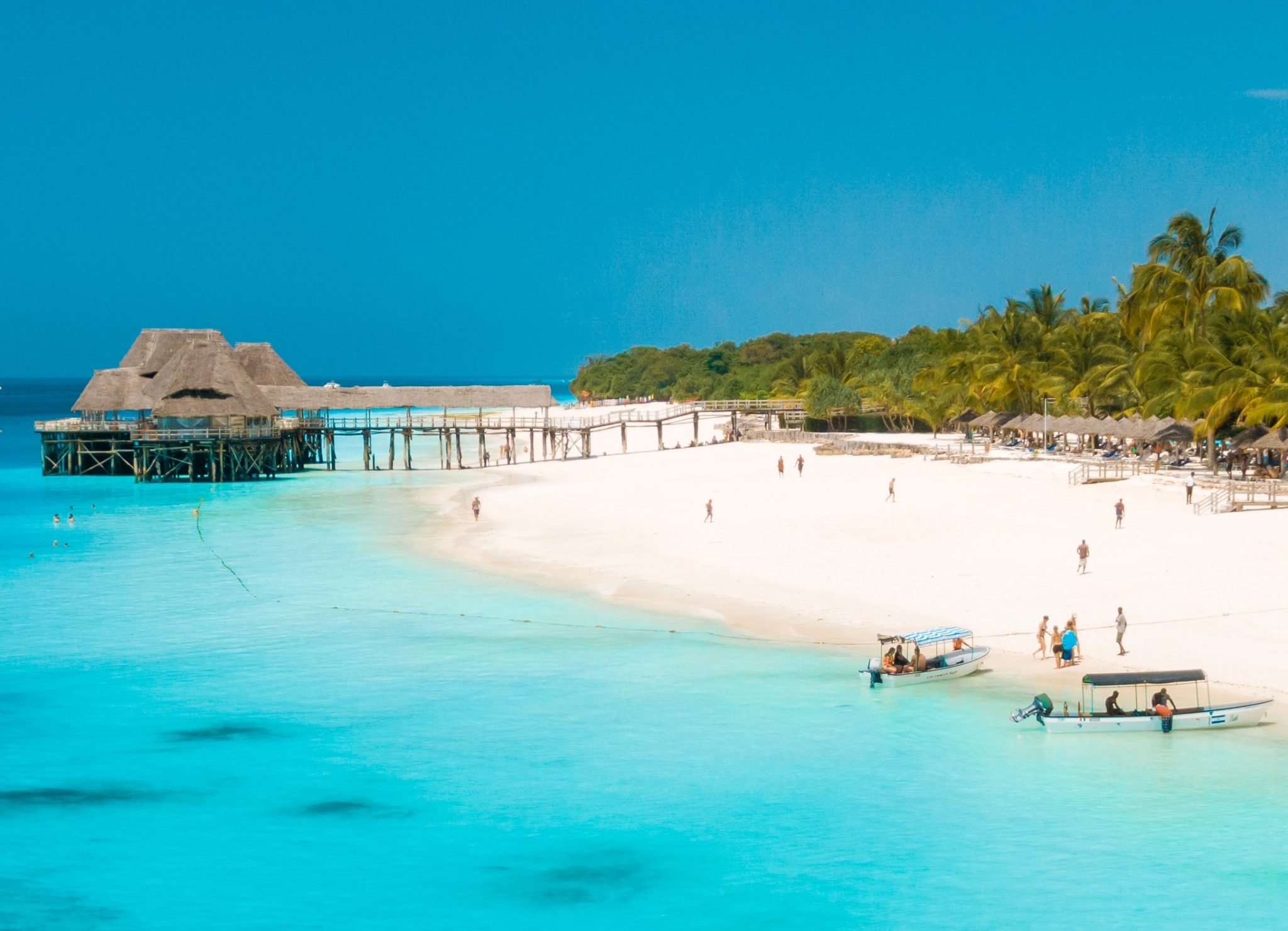
A quieter stretch of the Watamu coastline, north of the main beach, with crystal-clear water and fewer visitors. No entrance fee, no resort infrastructure — just the Indian Ocean as it is.
 03
03
An uninhabited sandbank island off Mida Creek, accessible only by dhow. Walk the exposed sandbanks at low tide and eat fresh seafood prepared by local fishermen. Take a shared dhow to keep costs low.
 04
04
East Africa’s largest remaining coastal forest, designated a UNESCO Biosphere Reserve. The forest is home to several globally threatened species including the Aders’ duiker and Clarke’s weaver. Entry fees are low and go directly to conservation.
 05
05
Bio-Ken is Kenya’s leading snake research centre and produces antivenom used across East Africa. Guided tours cover 40+ species and explain the venom extraction process — one of the most genuinely educational stops in coastal Kenya.
 06
06
A protected Ramsar wetland and tidal inlet flanked by mangrove forest, home to flamingos, kingfishers, and herons. The boardwalk is free to walk at any time — the sunset view over the water is one of the best on the Kenya coast.
 07
07
The main public beach at the heart of Watamu town — white sand, warm water, and no entrance fee. Bring your own food and snorkelling gear and the whole day costs nothing. The beach is protected within the Marine National Reserve boundary.
 08
08
Local Ocean Conservation is a Watamu-based NGO running Kenya’s largest sea turtle monitoring programme. Visitors can see rescued turtles up close and learn about the rehabilitation process. Entry is donation-based — any amount contributes directly to the work.
 09
09
The mangrove forest around Mida Creek supports over 10 species of mangrove and provides nursery habitat for many of the fish found on the reef. Group canoe eco-tours run regularly and cost a fraction of a private excursion.
 10
10
The central market in Watamu town is where the Swahili coast actually lives — fresh fish, ugali, mandazi, grilled corn, and locally made crafts at prices aimed at residents, not tourists. Bargaining is expected and part of the experience.
Watamu Budget Cost Guide
| Activity / Place | Cost type | Approx. cost (KES) |
|---|---|---|
| Watamu Beach Free | No fee | 0 |
| Mida Creek boardwalk walk Free | No fee | 0 |
| Garoda Beach Free | No fee | 0 |
| Local Ocean Conservation | Donation | 200 – 500 |
| Bio-Ken Snake Farm | Entry fee | 500 – 800 |
| Arabuko-Sokoke Forest | Entry fee | 600 – 1,000 |
| Watamu Mangroves (group eco-tour) | Per person | 800 – 1,500 |
| Sudi Island (shared dhow) | Per person | 1,000 – 2,000 |
| Marine National Park (group boat) | Per person | 2,000 – 3,500 |
| Local market meal (fish + ugali) | Per meal | 200 – 400 |
Getting the most out of Watamu on a budget comes down to a few consistent principles. Travel in groups where possible — boat trips to the marine park, shared dhow rides to Sudi Island, and group eco-tours to the mangroves all become substantially cheaper when the cost is divided. Ask at your guesthouse or hostel whether other guests are planning the same trips; it’s how most independent travellers here reduce costs by 40–60%.
Eat local. The restaurants in the market area serve fresh fish, ugali, pilau rice, and coastal Swahili dishes at a fraction of the prices at beachfront tourist spots — and the food is often better. Mandazi with chai for breakfast, grilled fish for lunch, fresh coconut water throughout — this is how residents eat, and it costs very little. Street food from the market will consistently outperform any tourist restaurant in both price and authenticity.
The town’s geography also works in your favour. Watamu is compact enough that a boda boda or tuk-tuk reaches virtually every attraction on this list for between KES 50 and 200. The marine park, Arabuko-Sokoke Forest, Mida Creek, Bio-Ken, the mangroves — all within twenty minutes of the town centre. You don’t need a hire car, and you don’t need to book most of these in advance.
Visit during low season — April through June — and accommodation prices drop significantly while the places themselves remain just as good. The beaches are quieter, the coral is still there, and the sunsets at Mida Creek haven’t changed.
Budget tip: Visit during low season (April–June) for the cheapest accommodation rates in Watamu. Always compare boat trip prices before booking — ask your guesthouse first, as they typically know the fairest local operators and can help you find other travellers to share costs with.
Quick Picks
Why Watamu works well for budget travellers
Frequently Asked Questions
Watamu has a range of options across all budgets. The town’s most famous attractions — the beach, Mida Creek boardwalk, and Garoda Beach — are all free to access. Paid activities such as Watamu Marine National Park, Arabuko-Sokoke Forest, and Bio-Ken Snake Farm have entry fees that are modest by international standards. Budget travellers who eat at the local market, use boda bodas for transport, and join group boat trips can experience the best of Watamu for a very reasonable daily spend.
The cheapest time to visit Watamu is during the long rains season from April to June. Accommodation prices drop noticeably, the beaches are quieter, and attractions remain fully accessible. The short rains in November and December also bring lower rates. The most expensive periods are the high seasons of July–October and January–March, when demand from international visitors is highest.
Several of Watamu’s best experiences cost nothing. Watamu Beach and Garoda Beach are both free to access. The Mida Creek boardwalk can be walked at no charge, offering some of the best sunset views on the Kenya coast. The local market is free to browse. If you bring your own snorkelling gear, the shallow reef sections around the Marine Reserve boundary can also be explored from the beach at no cost.
The most affordable way to reach Watamu from Mombasa is by public matatu — take a matatu from Mombasa’s Malindi Bus Station heading north on the B8 highway, change at Gede Junction, and take a local tuk-tuk or boda boda the final few kilometres into Watamu. The full journey takes around three hours and costs a fraction of a private transfer. From Malindi Airport (served by daily flights from Nairobi), Watamu is a 20-minute drive by taxi or tuk-tuk.
Arabuko-Sokoke Forest is East Africa’s largest remaining coastal forest, covering approximately 420 km² between Watamu and Malindi. It is designated a UNESCO Biosphere Reserve and is home to globally threatened species including Aders’ duiker, Clarke’s weaver, and the Sokoke scops owl. Entry fees are significantly lower than most Kenyan national parks, making it one of the best-value wildlife experiences on the Kenya coast — and a genuine alternative to a full safari for budget-conscious travellers.
Yes. Watamu Marine National Park, established in 1968, is one of Kenya’s oldest marine protected areas and contains some of the healthiest coral reef on the East African coast. While a private boat hire can be expensive, joining a group boat with other travellers reduces the per-person cost substantially. The marine park fee is paid per person and goes to the Kenya Wildlife Service. For the quality of coral and marine life — including sea turtles, octopus, and hundreds of reef fish species — it represents excellent value.
The local market area in central Watamu town is the best place to eat on a budget. Local restaurants and food stalls serve fresh fish, ugali, pilau rice, and Swahili coastal dishes at prices aimed at residents. A full meal of grilled fish, rice, and vegetables typically costs KES 200–400. Street food — mandazi (Swahili doughnuts) with chai for breakfast, grilled corn in the evening, fresh coconut water — is available throughout the day at very low cost. Eating at beachfront tourist restaurants will cost three to five times as much for comparable food.