
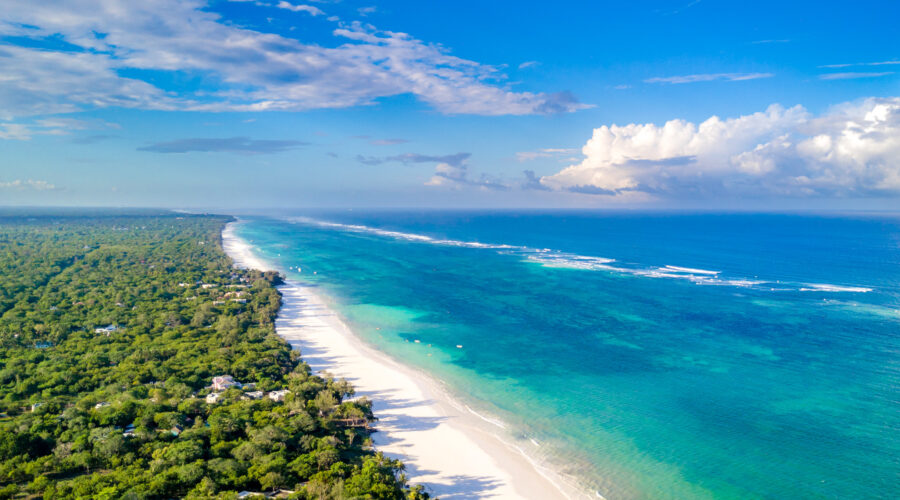
Watamu vs Diani: Which Is Better in 2026?
Two of Kenya’s most beloved coastlines, one impossible choice. We break it all down — from exact 2026 prices and getting-there logistics to marine life, family activities, and who each destination is genuinely built for — so you can stop overthinking and start packing.
Kenya’s coastline is a world-class secret that’s slowly getting out. Stretching for over 500 kilometres along the Indian Ocean, it hosts some of Africa’s finest white sand beaches — and two names come up in every conversation: Watamu and Diani. Both are stunning. Both are beloved. But they are not the same destination, and choosing the wrong one for your travel style could mean a very different holiday than you imagined.
In 2026, both destinations have evolved. Diani has leaned further into its reputation as Kenya’s water-sports and nightlife capital, while Watamu has doubled down on eco-tourism, marine conservation, and the kind of unhurried beauty that makes you extend your trip by three days without planning to. This guide cuts through the noise with real prices, real logistics, and a clear recommendation for every type of traveller.
“The question isn’t which beach is better — it’s which beach is better for you. This guide is built to answer that precisely.”
Location & Getting There
Diani sits on Kenya’s south coast in Kwale County, roughly 30 kilometres south of Mombasa. From Mombasa’s Moi International Airport, you can be on the beach within 40–60 minutes via the Likoni Ferry and a short taxi south. Direct flights from Nairobi Wilson Airport to Ukunda operate daily on SafariLink and Airkenya from approximately KES 8,500 one way (about 55 minutes). Buses run Nairobi–Mombasa for KES 1,200–2,500 (8–9 hours), from where Diani is a further 40 minutes and KES 300–800 by matatu and taxi.
Watamu is on the north coast, about 105 kilometres north of Mombasa in Kilifi County. The quickest route from Nairobi is to fly to Malindi Airport (MYD) with Airkenya or SafariLink from KES 9,000 one way (~1 hour), then transfer 20 kilometres south to Watamu by taxi (KES 1,500–2,500) or tuk-tuk (KES 500–800). From Mombasa, the drive north takes 2.5–3 hours on the B8 coastal road. Watamu takes a little more intention to reach — and that extra friction is precisely why it has stayed quieter and more authentic.
| Journey | Watamu | Diani |
|---|---|---|
| Flight from Nairobi | KES 9,000+ via Malindi | KES 8,500+ direct to Ukunda |
| Drive from Mombasa | 2.5–3 hrs north | 40–60 mins south |
| Bus from Nairobi | KES 1,200–2,500 + transfer | KES 1,200–2,500 + transfer |
| Airport transfer to beach | KES 500–2,500 from Malindi | KES 300–800 from Mombasa |
| Ease of access | More remote — part of the charm | Very easy — ideal for first-timers |
Doing both in one trip? A popular and highly recommended itinerary is to fly into Mombasa, spend 3–4 nights in Diani, then travel north to Watamu for 3–4 nights before flying home from Malindi. The two destinations are roughly 200km apart by road (3–4 hours direct). See the suggested itinerary below.
Atmosphere & Vibe
- Relaxed, eco-conscious village feel
- Strong Italian expat community
- Marine national park & turtle conservation
- Kitesurfing, birdwatching, kayaking
- Creatives, slow travellers & families
- Excellent coastal Italian cuisine
- Almost no conventional nightlife
- High repeat-visitor rate — people come back
- Buzzy beach resort town
- International crowd year-round
- Colobus monkey sanctuary
- Skydiving, parasailing, deep-sea fishing
- Adventure seekers & social travellers
- Expanded dining scene in 2026
- Vibrant bar & nightlife strip
- Strong infrastructure for first-timers
Watamu feels like a small coastal village that happens to have extraordinary beaches. The pace is slow, the evenings are quiet, and you are as likely to spend an afternoon at a turtle rescue centre as you are at a beach bar. The Italian influence — brought by settlers decades ago — gives it a distinct European café culture layered over deep Swahili warmth. The result is a destination with genuine soul: the kind of place where you ask your host for a restaurant recommendation and end up staying for dinner at their friend’s house instead.
Diani, in contrast, is Kenya’s most developed beach resort area. Its beachfront strip is lined with resorts, restaurants, beach clubs, and activity operators. In 2026, Diani’s dining scene has expanded significantly, with everything from Swahili seafood shacks to rooftop restaurants competing for your attention. If Watamu is a village that happens to be beautiful, Diani is a beach destination that has consciously built itself around making your stay comfortable and varied.
The Beaches Themselves
Both beaches are extraordinary by any global standard. Diani’s 17-kilometre stretch of powdery white coral sand and warm turquoise water consistently ranks among Africa’s best. The coral reef offshore keeps the surf gentle and the snorkelling accessible right from the shore. The beach is wide, well-maintained, and never feels crowded despite the tourist volume — largely because 17 kilometres is simply a lot of space.
Watamu has three connected bays — Watamu Bay, Blue Lagoon, and Turtle Bay — each with their own personality. The water inside Turtle Bay’s marine park boundary is glassy and abundant with marine life. At low tide, natural rock pools emerge full of starfish, sea urchins, clownfish, and hermit crabs — a completely free attraction that children and adults find equally captivating. The water temperature in both destinations stays between 26°C and 29°C year-round. Watamu’s beaches are rawer, less manicured, and arguably more dramatic in their natural beauty.
One key practical difference: beach hawkers and vendors are significantly more present at Diani than at Watamu. At Diani’s busier sections you will be approached regularly; Watamu’s beaches are notably quieter in this regard. For travellers who find persistent beach selling stressful, Watamu wins this category decisively.
Marine Life & Water Activities
Watamu has the superior snorkelling and marine park experience. The Watamu Marine National Park is one of Kenya’s three gazetted marine protected areas and covers 10 square kilometres of some of the most intact coral reef on the East African coast. Guided snorkelling trips run from Watamu Beach with park-licensed operators: park entry costs approximately KES 1,450 for adults, KES 750 for children, and boat hire starts from KES 1,500 per person for a shared glass-bottom or snorkel trip. Visibility in the dry season (July–October) typically reaches 10–20 metres. Sea turtle encounters are almost guaranteed — the park hosts both Green and Hawksbill turtles year-round.
Diani has better diving infrastructure, with multiple PADI-certified dive centres operating on its coastline. A two-tank shore dive in Diani costs approximately KES 6,500–9,000. The reef here is accessible and interesting, though not as pristine as Watamu’s protected marine park. Diani also offers deep-sea fishing, parasailing, jet-skiing, and skydiving — the full adventure-tourist menu. Skydiving over Diani with Skydive Diani costs approximately USD 220–280 per person.
Watamu has a world-class kitesurfing destination at Watamu Kite Beach, fed by reliable Indian Ocean trade winds from June to October. Beginner kite courses run 2–3 days and cost from KES 15,000 per person. Mida Creek, 4km south of Watamu, offers guided kayaking through ancient mangrove forest from KES 2,500 per person and is one of the most peaceful natural experiences on the entire Kenya coast.
| Activity | Watamu price | Diani price | Edge |
|---|---|---|---|
| Snorkelling (marine park entry + boat) | KES 2,950–4,500 | KES 3,500–6,000 | Watamu — protected park, better reef |
| PADI scuba diving (2 tanks) | KES 5,000–7,000 | KES 6,500–9,000 | Diani — more dive centres, better infrastructure |
| Glass-bottom boat (1.5 hrs) | From KES 1,500 pp | From KES 2,000 pp | Watamu |
| Deep-sea fishing (half day) | KES 15,000–25,000 boat | KES 20,000–35,000 boat | Watamu — better value, equally good fish |
| Kitesurfing beginner course | From KES 15,000 (2–3 days) | From KES 18,000 (2–3 days) | Watamu — world-class wind conditions |
| Skydiving | Not available | USD 220–280 pp | Diani only |
| Mangrove kayaking | From KES 2,500 pp | Limited | Watamu — Mida Creek is unmissable |
| Sunset dhow cruise | From KES 2,500 pp | From KES 3,000 pp | Watamu — Swahili Sails sets a high bar |
Budget, Accommodation & Value for Money
This is where the two destinations diverge most clearly. Watamu is on average 30–40% more affordable than Diani across accommodation, food, and activities. Mid-range guesthouses and self-catering cottages in Watamu cost KES 3,500–8,000 per night; boutique villas from KES 12,000 per night; and top-end beachfront properties like Medina Palms from approximately KES 25,000–88,000 per night depending on season and villa size. An excellent seafood meal at a local Watamu restaurant costs KES 500–1,500 per person.
Diani caters to a larger international tourist base and carries a wider price range — but the floor is higher. Mid-range hotels cost KES 6,000–14,000 per night. Luxury resorts like Alfajiri Villas and Baobab Beach Resort command premium rates that are entirely justified, but the mid-range category is more competitive. Beachfront restaurant meals typically run KES 1,200–3,500 per person. Activity pricing — skydiving, deep-sea fishing, diving courses — also runs higher across the board.
| Cost category | Watamu | Diani |
|---|---|---|
| Budget guesthouse / hostel | KES 1,500–3,500/night | KES 2,500–5,000/night |
| Mid-range hotel / cottage | KES 3,500–8,000/night | KES 6,000–14,000/night |
| Boutique villa / eco-lodge | KES 12,000–25,000/night | KES 18,000–40,000/night |
| Luxury resort | KES 25,000–88,000/night | KES 35,000–120,000+/night |
| Local restaurant meal (per person) | KES 500–1,500 | KES 800–2,000 |
| Beachfront restaurant meal (per person) | KES 1,200–2,500 | KES 1,500–3,500 |
| Tuk-tuk across town | KES 100–400 | KES 150–500 |
At-a-Glance Scores — 2026
Families & Children
For families with children, Watamu has a significant edge. The calm, reef-protected water at Turtle Bay and Blue Lagoon is ideal for young swimmers and toddlers. The concentration of genuinely child-worthy attractions — the LOC Sea Turtle Rescue Centre (from KES 500), Gede Ruins (from KES 600 for children), Kipepeo Butterfly Farm (from KES 300), and Bio-Ken Snake Farm (from KES 1,000) — is exceptional, all within 20 minutes of the beach. A full family day out including two venues, tuk-tuk transport, and a local lunch typically costs KES 5,000–9,000 for a family of four.
Diani is also family-friendly, particularly the Colobus Trust sanctuary and the Diani Sea Resort’s children’s facilities, but the higher activity costs and busier beach environment give it a slight disadvantage for families with young children. For families with teenagers who want surfing, skydiving, or nightlife, Diani is the stronger choice. See our complete guide to kids’ activities in Watamu →
Best Time to Visit
The best time to visit both destinations is July to October — Kenya’s dry season on the coast. The Indian Ocean is at its calmest, visibility in both marine parks is at its best (10–20m in Watamu, 8–15m in Diani), and there is virtually no rain. This is also peak season, so prices are 20–40% higher and popular accommodation books out months in advance.
December to March is an excellent second-best window — warm weather, calm seas, and a lively atmosphere driven by European and Nairobian holiday travel. April–May (long rains) and November (short rains) bring lower prices and far fewer tourists, but outdoor activities become unpredictable. The LOC Turtle Centre, Bio-Ken, Gede Ruins, and Kipepeo all operate year-round regardless of weather, making Watamu slightly more resilient as a rainy-season destination.
| Season | Months | Verdict | Price level |
|---|---|---|---|
| Dry season | July – October | Best overall — calm seas, peak wildlife | Peak rates |
| Short dry | January – March | Excellent — warm, festive, busy | High season |
| Short rains | November | Patchy — some rain, fewer crowds | Mid-low |
| Long rains | April – May | Wettest — best prices, quiet beaches | Lowest |
Who Should Go Where
Choose Watamu if you want to snorkel a pristine marine national park, spend an evening watching sea turtles nest on the beach, eat incredible pasta at a beachside Italian trattoria for KES 800, and return home genuinely rested. Watamu is the stronger choice for: couples seeking romance without crowds; solo travellers craving culture and authentic coastal life; families with young children who want calm water and affordable wildlife experiences; birdwatchers targeting the Arabuko-Sokoke forest and Mida Creek; kitesurfers chasing trade-wind conditions; and anyone who values value for money above all else.
Choose Diani if you want reliable infrastructure, a packed activity calendar, vibrant evenings, and the flexibility to do something different every single day. Diani is the stronger choice for: first-time Kenya visitors; groups with mixed interests and energy levels; travellers who want certainty that every booking will go smoothly; adrenaline seekers who want skydiving on the menu; and anyone who values a polished resort experience backed by good hospitality infrastructure.
Suggested 7-Day Itinerary — Both Destinations
The best Kenya coast trip in 2026 does not choose between Watamu and Diani — it does both. Here is a practical 7-night split that covers the highlights of each:
7 Nights: Diani (3) + Watamu (4)
Two beaches. One winner for you.
Diani wins on infrastructure, activity variety, and accessibility. Watamu wins on natural beauty, marine park quality, value for money, and soul. Neither is objectively better — but for travellers who want to feel like they have discovered something real, Watamu edges ahead. For those who want certainty, convenience, and a holiday that runs like clockwork, Diani is very hard to fault.
- Best marine park in Kenya
- 30–40% lower costs overall
- Calm beaches for young children
- Authentic Swahili-Italian culture
- World-class kitesurfing
- Genuine quiet & solitude
- Skydiving & full activity menu
- Vibrant nightlife & dining strip
- Easy first-timer infrastructure
- More accommodation options
- Closer to Mombasa airport
- Group-friendly social scene